
Private Label
Wholesale Perfume in 2026: 7 Sources Ranked + Decision Tree for Buyers
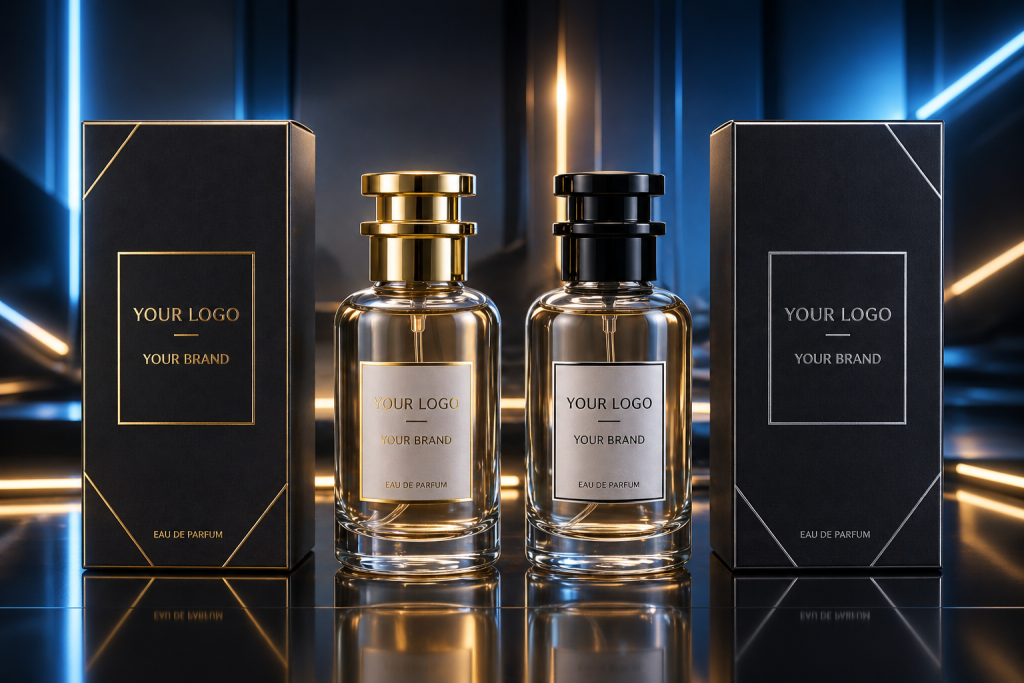
Wholesale perfume in 2026 is a $14 billion global market, but the term itself hides seven distinct supply paths — each with different unit economics, authenticity profiles, and operational risks. A boutique owner sourcing 50 units monthly should not buy from the same channel as a regional distributor moving 50,000 units quarterly. Yet most “wholesale perfume” guides treat all buyers identically, which is why so many fail their first reorder. This pillar guide ranks the 7 wholesale sources, gives you a decision tree for picking yours, and explains the math that separates winners from buyers stuck on margin death-spirals.
💼 Get pricing in 24h via WhatsApp
Get a free quote in 24h. WhatsApp us at +33617747713 with your monthly volume, target retail price, and product mix. Or request a quote online — https://www.world-perfume.com/request-a-quote — and we will reach out with pricing tiers.
👉 Get a custom quote on WhatsApp
What “Wholesale Perfume” Actually Means in 2026
At its core, wholesale perfume refers to bulk purchasing of fragrance products at sub-retail pricing for the explicit purpose of resale, redistribution, or rebranding. The industry distinguishes three commercial intents: resale wholesale (you buy designer fragrance and sell it through your retail channel at a markup), redistribution wholesale (you buy in bulk and break it down for smaller wholesale clients), and private label wholesale (you buy unbranded fragrance to put your own brand on it). Each intent maps to different supplier tiers, MOQ thresholds, and margin expectations.
The term is often confused with “private label” — they are not the same. Wholesale typically means you buy existing branded or unbranded perfume and sell it as-is or with light customization. Private label means you commission a manufacturer to create a fragrance specifically for your brand. The distinction matters because customs codes, FDA registration requirements, IFRA documentation, and even payment structures differ between the two. If you intend to operate under your own brand long-term, see our private label perfume pillar guide; if you intend to resell existing fragrance, this guide is your starting point.
The wholesale perfume opportunity has expanded dramatically since 2023 for three structural reasons. First, fragrance demand keeps growing despite economic uncertainty — global sales exceeded $51 billion in 2025 with both prestige and discount tiers expanding. Second, e-commerce has lowered barriers for new retailers (independent boutiques, gift shops, online-only stores now compete effectively against major chains and need wholesale supply). Third, supply chain consolidation gives wholesalers leverage they never had — the five largest global manufacturing groups now produce 70%+ of all branded fragrance, but they only sell through tiered distribution networks where the right relationships unlock 30-40% better pricing.
The 7 Wholesale Perfume Sources Ranked
Not all “wholesale perfume” comes from the same place. The seven main sources differ in unit economics, authenticity guarantees, MOQ flexibility, and operational complexity. Here is the ranked landscape with realistic pricing for 2026:
1. Direct OEM Manufacturers (best for private label intent)
OEM (Original Equipment Manufacturer) factories produce fragrance under your specifications and your label. France (Grasse cluster), Italy (Florence-Bologna axis), Turkey (Istanbul), India (Kannauj for naturals), and China (Guangzhou cluster) dominate. Unit cost: $2.50-$8 per 50ml at MOQ 500-2,000. Authenticity: 100% (you own the formula). Lead time: 5-12 weeks for first orders, 3-6 weeks for repeats. OEM works for buyers committed to building a brand long-term. It does not work for buyers who want to drop-ship existing designer fragrances next week.
2. Authorized Distributors (best for designer fragrance resale)
Major fragrance houses (LVMH, L’Oréal Luxe, Coty, Puig, Inter Parfums) distribute through authorized regional wholesalers. Buying from authorized distributors gives you guaranteed authenticity, brand-protected pricing (MAP enforcement), and access to authorized branding/marketing assets. Unit cost: 25-40% off retail at MOQ 100-500 per SKU. Margin to retail: 18-25% gross. Authenticity: 100%, with brand-issued certificates. Authorized distribution is the safest path but offers the lowest margin. Boutique resellers benefit when they can stock 15-30 SKUs at lower MOQ thresholds.
3. Authorized International Resellers (parallel imports)
Some authorized international resellers operate parallel-import flows: they buy authentic fragrance in regions with lower retail (Middle East, Eastern Europe, Asia) and resell internationally. Pricing: 35-50% off retail. Authenticity: 100% genuine, but warranty and returns may not cross borders. MOQ 200-500 per SKU. Parallel imports are legal in most jurisdictions but watch for grey-zone risks: brands sometimes void warranty for non-domestic purchases, and some retailers (Amazon especially) restrict parallel-import listings.
4. Closeout & Liquidation Specialists
Liquidation specialists buy excess inventory from major retailers (TJ Maxx, Marshalls, Ross, European discount chains) and from brands liquidating discontinued SKUs. Unit cost: 50-70% off retail. Authenticity: 90-100% (sometimes mixed batches with grey-market product). MOQ: highly variable, sometimes 1,000+ for branded closeouts, sometimes mixed lots of 200-500. The closeout channel has the best raw margin but the worst predictability — you cannot reorder a discontinued SKU. Use this channel for opportunistic buying, not for core inventory planning.
5. Duty-Free Channel Resellers
Duty-free wholesalers buy from major airport retailers (Heinemann, Dufry, DFS) — often overstock from Q1 (post-holiday slowdown). Pricing: 30-50% off mainland retail, with authenticity batch-coded and verified. MOQ 500+ per SKU typical. Limited SKU selection (only what’s flying in major duty-free). Duty-free wholesale is a niche but reliable channel for buyers focused on travel-retail-popular brands like Chanel, Dior, Tom Ford, Maison Francis Kurkdjian.
6. Trade Shows (B2B in-person)
Major trade shows — Cosmoprof Bologna (March), Esxence Milan (March), Beautyworld Frankfurt (October), TFWA Cannes (October), Cosmoprof Hong Kong — connect manufacturers and distributors directly with buyers. Pricing: typically 10-20% better than online quotes due to relationship-building. MOQ negotiable in person. Lead time variable. Trade shows pay back for buyers spending $50,000+ annually on inventory. Below that, the travel and accommodation costs outweigh the pricing advantages, but they remain useful for relationship-building over multi-year horizons.
7. B2B Marketplaces (Faire, Tundra, Ankorstore)
Online B2B marketplaces aggregate small-to-medium suppliers and offer Net 60 payment terms, low MOQ, fast logistics. Faire (USA-focused), Tundra (USA), Ankorstore (Europe). Pricing: middle-tier (10-25% above direct factory but below domestic distributor). MOQ as low as 6-12 units per SKU. Authenticity: variable — most marketplaces curate suppliers but verification depth varies. Marketplaces are excellent for first-time wholesale buyers testing 5-10 SKUs without committing to large orders. As volume grows, direct supplier relationships always beat marketplace pricing.
The Decision Tree: Which Source Fits Your Volume?
| Your Annual Volume | Your Goal | Best Source(s) | Expected Unit Cost (50ml) |
|---|---|---|---|
| Under 500 units/year | Test wholesale model | B2B marketplaces (Faire, Tundra) | $8-$18 |
| 500-2,000 units/year | Boutique stocking | Authorized distributors + 1-2 marketplace SKUs | $6-$14 |
| 2,000-10,000 units/year | Multi-SKU retailer | Authorized distributors + closeout opportunism | $4-$10 |
| 10,000-50,000 units/year | Regional distributor | Direct authorized + parallel imports + duty-free | $3-$8 |
| 50,000+ units/year | National distribution | Direct manufacturer relationships + trade shows | $2-$6 |
| Any volume, owning brand | Private label launch | Direct OEM (France/Italy/Turkey) | $3-$12 |
The most common mistake is jumping tiers prematurely — for example, a boutique owner contracting directly with a French OEM at MOQ 1,000 when their realistic annual volume is 800 units. The result: 18 months of dead inventory, cash flow strain, and missed reorder opportunities. Validate your volume before committing.
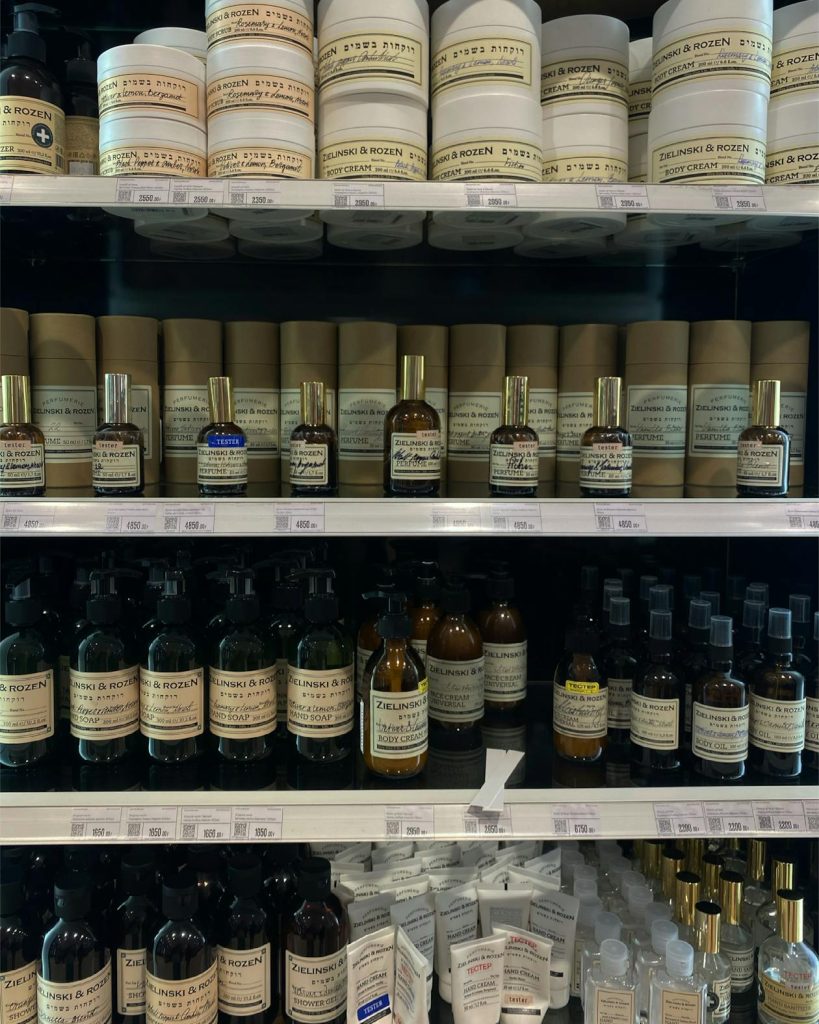
Real Pricing Tiers for Wholesale Perfume in 2026
Real pricing for wholesale perfume in 2026 follows predictable tiers, but the line items most buyers ignore are where deals get made or broken. Here is the realistic landed cost structure for a typical 1,000-unit order from an OEM source (50ml, custom label, white box):
- Direct product cost: $2,500-$3,200 (depending on supplier tier, scent complexity, packaging)
- Shipping (air freight, 5-10 days): $800-$1,400
- Shipping (sea freight, 30-45 days): $250-$500
- Customs duties:
- USA — 0-6.5% depending on HTS 3303 product code
- Canada — 6.5% MFN tariff
- UK — 0-8% post-Brexit varies
- EU — typically 0% intra-EU, 0-8% from non-EU
- Australia — 5% + 10% GST
- FDA registration (USA only, first import): $500-$2,000 one-time facility registration. Usually handled by supplier.
- Labeling compliance: $150-$500 for label adjustments to meet target market regulations (especially USA-FDA, EU-IFRA).
- Return handling reserve: budget 2-3% of order value for first orders, declining to 0.5-1% as supplier consistency proves out.
Total landed cost example: $3.50-$5.20 per unit ($3,500-$5,200 for 1,000 units). Compare against your retail target. If retail is $24.99 and landed cost is $4.50, gross margin is 82%. After overhead, marketing, and platform fees, net margin lands at 25-40% for well-run operations.
How to Order Wholesale Perfume: 8-Step Process
The proven process for ordering wholesale perfume the right way takes 4-6 weeks for first orders and 2-3 weeks for repeat orders. Skipping any step adds risk you cannot recover from once payment is wired.
- Define your order specification. Write down exact SKU mix, quantity per SKU, packaging requirements, target landed cost, target delivery date, and acceptable substitutions. Send the same spec to 3-5 suppliers — never accept the first quote.
- Request samples. Pay for full-size samples ($30-$100 per sample). Test scent quality, packaging integrity, label accuracy. Compare against any existing reference SKU. Time required: 7-10 days. Suppliers who refuse samples are showing you a red flag.
- Negotiate terms. Now that you have validated samples, push on price, MOQ, payment terms, and lead time. The first quote is rarely the best quote. Reasonable counter: 5-10% discount or improved Net 30 terms.
- Pay deposit (30-50%). Production starts. Ask for production photos at the 50% milestone — confirms the supplier is actually producing your order, not flipping it to another factory.
- Pre-shipment quality check. Either inspect personally if local, or hire a third-party QC service ($150-$400) for international orders. Catch defects before goods leave the factory — defect resolution after shipment costs 5-10× more.
- Final payment, shipping. International air freight 5-10 days, sea freight 30-45 days. For first orders under 500 units, air freight is almost always the right call.
- Customs clearance. Have an experienced broker if importing for the first time. Brokers charge $150-$350 for clearance — they pay back instantly on the first complex shipment.
- Receive, inspect, restock. Document any defects within 7 days for warranty claims. Maintain a defect rate log per supplier — single most important data for choosing repeat supplier.
For a wholesale order needing delivery in 8 weeks, you can comfortably complete this entire process. For 4 weeks or less, only express stock options and pre-existing supplier relationships work.
💼 Need volume pricing on a specific SKU mix?
WhatsApp us at +33617747713 with your monthly volume, target retail price, and product mix. We respond within 24h with pricing tiers from MOQ 100 to MOQ 25,000+.
👉 Get a custom quote on WhatsApp
6 Common Mistakes When Sourcing Wholesale Perfume
After observing thousands of wholesale perfume orders, six mistakes destroy more reseller deals than every other factor combined.
- Mistake 1 — Chasing the lowest price. Wholesale perfume from a $2.50/unit supplier with 30% defect rate costs more than $4.20/unit from a 1% defect supplier once you account for returns, restocks, and customer complaints. Always calculate delivered defect-adjusted cost, not unit price.
- Mistake 2 — Skipping samples. The temptation to skip $300-$500 in sample fees is real. Do not. It is the cheapest insurance you can buy. Suppliers who refuse samples are showing you a red flag — usually they cannot produce what they’re quoting.
- Mistake 3 — Locking in MOQ commits before validating the SKU. If you commit to 5,000 units of an SKU before testing it with 100-200 retail customers, you are gambling. Test small, scale only proven SKUs. The reorder math at MOQ 250 → MOQ 1,000 → MOQ 5,000 unlocks real margin compounding only when SKUs are validated.
- Mistake 4 — Using 100% prepayment on first orders. Always negotiate 30-50% deposit with balance on shipment confirmation, even if the supplier offers a small discount for full prepay. Suppliers who require 100% prepay for first orders are managing their cash flow, not yours — and you have no leverage if production goes wrong.
- Mistake 5 — Ignoring customs and regulatory compliance. The few thousand dollars saved on cheaper unauthorized inventory means nothing when customs seizes a $50,000 shipment. Authorized supply chains pay back tenfold on the first international order.
- Mistake 6 — Not diversifying suppliers. Single-vendor dependency is the #1 reason wholesale perfume businesses fail in year 2-3. Even if a supplier is great, build a backup relationship within 12 months. When (not if) your primary supplier has a quality issue, raises prices, or simply disappears, you’ll have continuity.
Frequently Asked Questions
What is the typical MOQ for wholesale perfume?
Most serious wholesale suppliers require 250-500 units per SKU for first orders, dropping to 100 units per SKU for repeat orders once a relationship is established. Below 100 units per SKU, you are typically buying through aggregators or marketplaces (Faire, Tundra) at higher unit cost. For OEM private label, see our low MOQ guide with options as low as 100 units total.
How long does shipping take from international suppliers?
Air freight: 5-10 business days from production completion to delivery. Sea freight: 25-45 days. Add 5-10 days for customs clearance on first imports. For details by region, see our guides for USA, UK, and China sourcing.
Do I need an FDA registration to import perfume into the USA?
For commercial resale yes, but most international suppliers handle FDA facility registration on their end. Verify during supplier vetting. Resellers do not typically need their own FDA cosmetic registration unless you are operating under your own brand (in which case private label rules apply — see our USA MoCRA guide).
Can I get sample fees refunded against my first order?
Most reputable suppliers refund sample fees against orders above MOQ 500. Always ask explicitly before paying for samples. Sample-fee refund clauses should be in writing — verbal agreements lose track when production starts.
What margins should I expect on wholesale perfume?
Gross margin: 35-55% on inspired-by and niche, 18-30% on designer authorized, 60-75% on private label launches. Net margin after all costs: 15-30% for well-run operations. Margins compound with reorder volume — Pack 100 → Pack 500 → Pack 1,000 unlock 15-25% improvements at each tier.
Is it legal to import inspired-by perfume?
Yes, as long as the perfume is sold under its own brand name and does not falsely represent itself as a branded designer product. Inspired-by language must be careful — never claim ‘same as’ or use designer brand names on labels. See our deep-dive on inspired-by wholesale for legal positioning details.
Where to Go Next
Now that you understand the wholesale perfume landscape, your next read depends on your specific situation:
- You want to launch your own brand → Private Label Perfume Pillar Guide
- You’re sourcing bottles separately → Perfume Bottles Wholesale Pillar
- You’re targeting the US market → Wholesale Perfume Bottles USA
- You need low MOQ to start → Low MOQ Guide
- You’re new to the industry → How to Start a Perfume Brand
- You’re sourcing from China → China Cluster Map
👉 Get a custom quote on WhatsApp
👉 Start your private label brand

